July 16, 2026
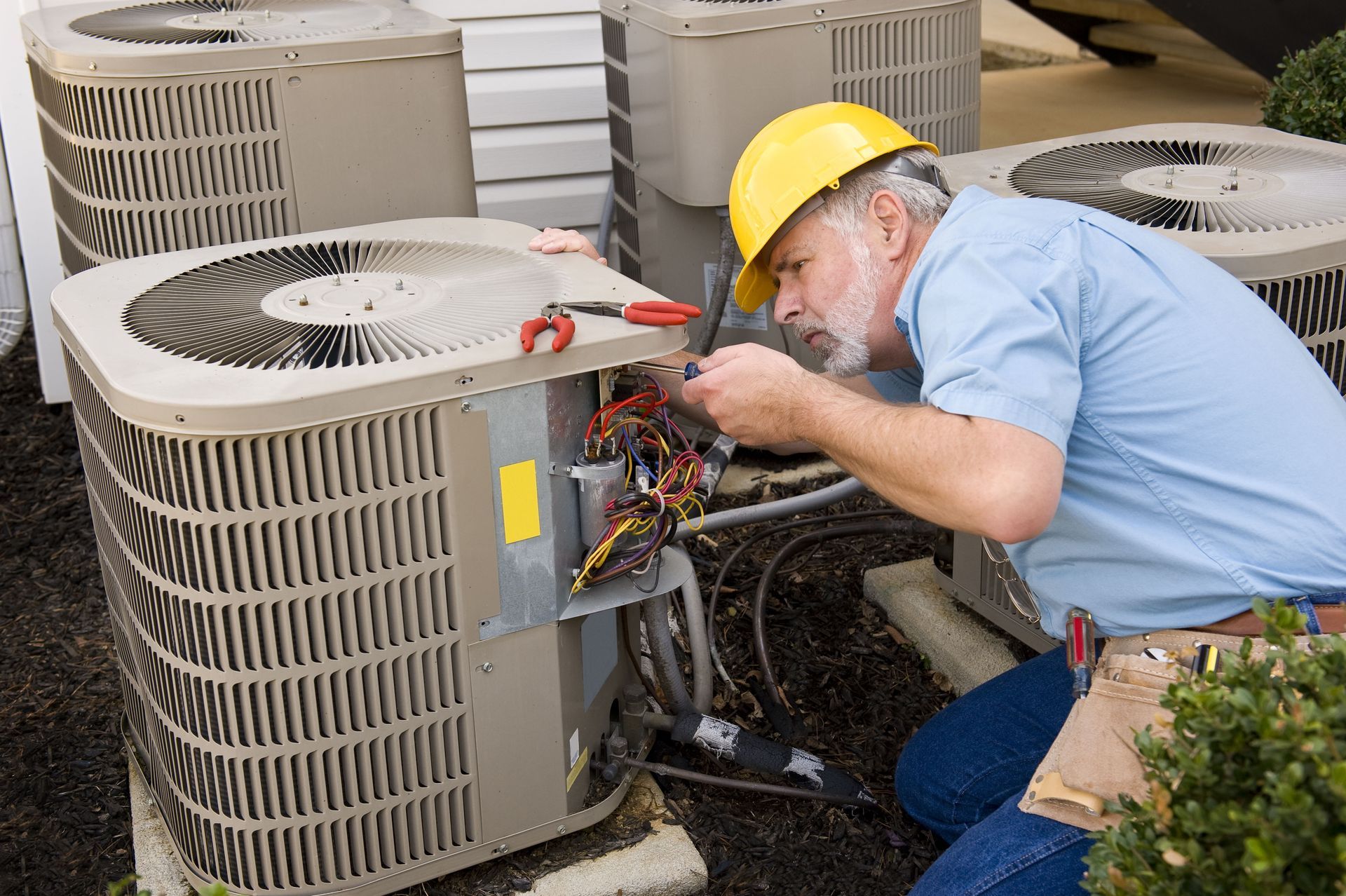
When the summer heat rolls in, a reliable cooling system becomes the most crucial component of a comfortable home. As homeowners, few things induce panic quite like a sudden spike in indoor temperatures or a strange clanking noise emanating from the outdoor cooling unit. When a system begins to falter, everyone faces a definitive crossroads: should you patch up the current unit or invest in a brand-new system? Navigating the choice between fixing the old unit or purchasing a replacement requires balancing immediate expenses against long-term comfort and efficiency. It is a decision that impacts not just your comfort, but also your household budget for years to come. Understanding the critical variables at play can help you make an informed choice that keeps your home cool without draining your finances.
The struggle to maintain a comfortable indoor climate can quickly become exhausting when an aging climate system begins to show signs of structural fatigue. Homeowners frequently find themselves torn between the lower immediate cost of a quick fix and the substantial upfront investment required for a complete system upgrade. It is easy to view a single service call as a minor inconvenience, but when those service calls become an annual or monthly ritual, the financial reality changes dramatically. A comprehensive approach involves looking at your cooling system not just as an isolated appliance, but as an ongoing investment in your property value, health, and overall quality of life. By taking a step back and looking at the broader picture, you can determine whether your current setup is a dependable asset or a financial drain.
Assessing the System Age
The operational lifespan of a residential cooling unit is one of the most reliable indicators of whether it is time to upgrade to a modern system. Most cooling setups are engineered to function optimally for a specific duration, typically reaching their natural limit after working through many consecutive summers. If your equipment has been operating since you first moved into your home over a decade ago, pouring money into fixing it may only delay an inevitable breakdown. Older units utilize internal components that have endured years of intense thermal stress, making subsequent failures far more likely to occur during peak summer heat waves.
Furthermore, older systems operate on completely outdated technology, which means they fundamentally lack the manufacturing and design standards of modern alternatives. When a system reaches the final chapters of its operational life, even minor components begin to fail in a cascading fashion. A fix implemented in the spring might be entirely undone by a separate mechanical failure before the end of the summer season. When an aging system experiences a major component failure, selecting a complete replacement is frequently the more financially sound decision over the long haul because it resets the clock on your home comfort infrastructure.
Calculating Total Costs
A single service call might seem manageable when viewed in isolation, but those invoices can accumulate rapidly if your machinery experiences chronic operational issues. Homeowners should utilize a practical financial comparison when weighing whether to continue investing in their current equipment. A good rule of thumb is to look at the total accumulation of invoices over the past few seasons and project what future service calls will demand. If the estimated cost of an upcoming fix represents a significant percentage of what a brand-new, warranted system would cost, continuing to patch the old unit ceases to make financial sense.
Frequent visits from a service technician are a clear sign that the machinery is reaching a state of terminal wear. Choosing a permanent upgrade eliminates the frustrating cycle of recurring expenses and provides a level of daily predictability that a patched-up, failing unit simply cannot match. Investing in a brand-new system also protects you from the unpredictable inflation of replacement parts, many of which become increasingly rare and expensive as specific equipment lines are discontinued by manufacturers.
Analyzing Energy Bills
Have you noticed your monthly utility expenses climbing higher and higher each summer despite your household maintaining the exact same cooling habits? This gradual increase often indicates that your cooling equipment is working harder than ever to achieve the standard indoor temperatures you expect. Internal components inevitably degrade over time, forcing the compressor, motor, and fans to consume significantly more electricity to circulate chilled air throughout your living space. Mechanical friction, restricted airflow, and declining electrical efficiency all conspire to drive up your monthly energy usage.
According to the Air Conditioning Contractors of America, the U.S. Energy Information Administration’s (EIA) 2015 Residential Energy Consumption Survey (RECS) estimates that 76 million primary occupied U.S. homes (64% of the total) use central air-conditioning equipment. With so many households relying on these systems across the country, managing seasonal energy consumption is a widespread financial concern for the modern homeowner. Upgrading to a modern, high-efficiency model can dramatically reduce your monthly utility expenses from the moment it is turned on. Over time, the substantial energy savings delivered by a modern system allow the new equipment to partially pay for itself, turning an aggressive upfront expense into a smart long-term investment.
Examining Home Comfort
The primary objective of any home climate system is to maintain a pleasant, consistent indoor environment for you and your family. If certain rooms in your house remain stiflingly hot while others feel like an icebox, your equipment is no longer distributing conditioned air effectively. Inadequate humidity control is another common symptom of a failing system, leaving your indoor air feeling sticky, heavy, and uncomfortable regardless of what the thermostat reads. Air quality can also suffer as older units struggle to filter out dust and seasonal allergens effectively.
While some comfort issues can be resolved with simple duct adjustments or professional cleaning, chronic performance failures often point to an inherently mismatched or worn-out system. When repetitive air conditioning repairs fail to restore uniform comfort and proper humidity management throughout your living space, a properly sized replacement system is the only definitive remedy. A new installation ensures that the equipment is perfectly calibrated to the unique architectural footprint of your home, delivering whisper-quiet operation and flawless temperature control.
Making the final call between scheduling more air conditioning repairs or investing in a total system replacement does not have to be a stressful guessing game. By taking the time to review the true age of your equipment, the frequency of your service calls, and the direct impact on your monthly energy budget, you can clarify the most cost-effective path forward. While a new system requires an upfront investment, the benefits of lower utility bills, enhanced indoor comfort, and a renewed manufacturer warranty often far outweigh the short-term savings of a temporary fix. Protecting your home from intense summer heat requires a dependable cooling strategy, and knowing when to let go of an old unit is the first step toward lasting comfort.
If you are still uncertain about the best path forward for your home climate system, our team is here to provide professional guidance, clear explanations, and dependable service. At A & A Heating & Cooling, LLC, we provide comprehensive system inspections to help you determine whether specialized
air conditioning repairs or a complete system replacement will deliver the absolute best long-term value for your household. Contact us today to schedule an expert evaluation and ensure your home stays perfectly cool, efficient, and comfortable all season long.