September 23, 2026
When homeowners compare air conditioning systems, one of the most common efficiency measurements they encounter is the SEER rating. SEER stands for Seasonal Energy Efficiency Ratio, and it provides a way to compare how efficiently different cooling systems use electricity over a typical cooling season. A higher rating generally indicates that a system can provide the same amount of cooling while using less energy. However, the number on the equipment label does not tell the whole story. Climate, home size, insulation, duct condition, thermostat settings, maintenance, and installation quality can all influence actual energy use. Understanding what SEER means and how it relates to real-world performance can help homeowners make more informed decisions when discussing equipment options with an HVAC company.
Understanding How SEER Measures Efficiency
SEER is calculated by comparing the amount of cooling an air conditioning system provides during a typical cooling season with the amount of electricity it uses during that same period. The result is an efficiency ratio rather than a direct estimate of what a homeowner will pay for electricity. A system with a higher SEER rating is designed to use energy more efficiently than a lower-rated system under standardized testing conditions. This makes the rating useful when comparing equipment, but it should not be interpreted as a guarantee of a specific monthly utility bill.
An HVAC company can help explain how different ratings relate to the type of equipment being considered. For example, two systems may have different SEER ratings but also differ in features, capacity, compressor design, and operating characteristics. The efficiency number is one part of the comparison rather than the only factor that matters. Homeowners should also consider whether the equipment is properly sized for the house and suited to local weather conditions because even highly efficient equipment may perform poorly if it is not matched correctly to the property.
Comparing Higher and Lower SEER Ratings
The main advantage of a higher SEER rating is the potential for lower electricity consumption during cooling operation. If two systems provide the same amount of cooling and one requires less energy to do so, the more efficient system may cost less to operate over time. The exact savings depend on how frequently the system runs, local electricity rates, indoor temperature preferences, and the efficiency of the existing equipment. A household in a hot climate with long cooling seasons may notice a different financial impact than one that uses air conditioning only occasionally.
It is also important to compare the cost of the equipment with the potential operating savings. Higher-efficiency systems can cost more initially, so homeowners may want to consider how long they expect to remain in the home and how often the system is likely to run. An HVAC company can help compare available efficiency levels and explain how equipment costs and estimated energy use may differ. This gives homeowners a clearer picture of whether paying more for a higher rating fits their budget and long-term priorities.
Estimating the Effect on Your Energy Bill
A SEER rating can provide a general indication of energy efficiency, but it cannot predict an exact monthly bill. Utility costs are influenced by more than cooling equipment alone. Appliances, lighting, water heating, insulation, outdoor temperatures, and daily habits all contribute to total electricity use. Even within the HVAC system, factors such as thermostat settings and how many hours the equipment runs each day can significantly affect energy consumption. This is why two homes with the same air conditioner may still have very different utility bills.
Homeowners can gain a better estimate by looking at previous energy use and comparing it with the expected performance of replacement equipment. An HVAC company may also consider the efficiency of the current system, the condition of the home, and typical cooling demands in the area. While no estimate can account for every variable, comparing past usage with potential efficiency improvements can provide a more realistic expectation than relying on the SEER number alone. This approach can help homeowners understand the financial impact of an upgrade before making a decision.
Considering How Home Conditions Affect Efficiency
The efficiency of an air conditioner depends partly on the house in which it operates. Poor insulation, air leaks, aging windows, and excessive heat gain can cause the system to run longer, reducing the practical benefits of a high SEER rating. A home that loses cooled air quickly may still use substantial energy even with efficient equipment. Shade, orientation, ceiling height, and square footage can also influence cooling demand. Addressing these factors can help the HVAC system operate under less strain and make efficiency improvements more noticeable.
Ductwork is another important part of the overall system. According to Better Homes & Gardens, HVAC systems consist of three primary components: equipment for heating, equipment for cooling, and ductwork that distributes the air. Leaky, poorly insulated, or improperly sized ducts can allow conditioned air to escape before it reaches the intended rooms. An HVAC company can inspect these components and determine whether problems outside the cooling unit itself may be affecting performance. Improving the entire system can be just as important as choosing equipment with a strong efficiency rating.
Maintaining Efficiency Over the System's Life
A system's efficiency can change over time if maintenance is neglected. Dirty filters can restrict airflow, clogged outdoor coils can make heat transfer more difficult, and worn components may cause the system to operate longer than necessary. These issues can increase energy use even when the equipment originally had a high efficiency rating. Routine maintenance gives homeowners an opportunity to address developing concerns before they place additional strain on the system or lead to more noticeable changes in comfort.
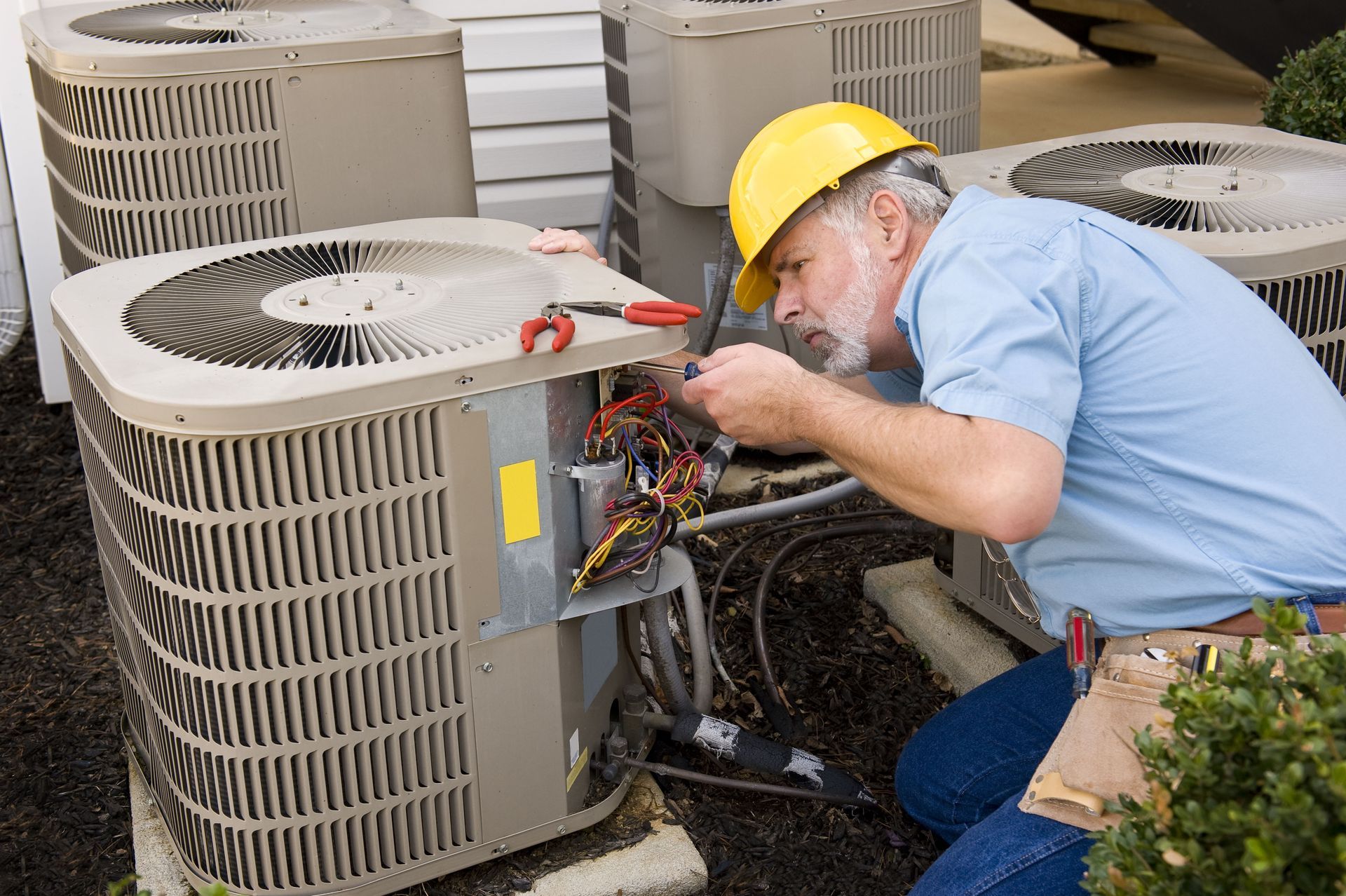
Working with an HVAC company for regular maintenance can help keep filters, coils, electrical components, drains, and other parts in appropriate condition. Homeowners can also support efficient operation by replacing filters as recommended and keeping outdoor equipment clear of debris. Maintenance will not change the original SEER rating, but it can help the equipment continue operating closer to its intended performance. Over the years, consistent upkeep can make a meaningful difference in both energy use and overall system reliability.
Choosing the Right Efficiency Level for Your Home
The highest available SEER rating is not automatically the right choice for every household. Homeowners should consider climate, cooling demand, budget, expected length of ownership, and comfort priorities. Someone replacing a very old and inefficient system may experience noticeable savings even without selecting the highest-rated equipment available. In other situations, a higher-efficiency model may make more sense because the system operates for many months each year or because reducing long-term electricity use is a major priority.
An HVAC company can help homeowners compare options based on the specific property rather than focusing on a single number. Equipment capacity, system features, installation requirements, maintenance needs, and upfront cost should all be considered alongside efficiency. Looking at these factors together can make it easier to choose a system that balances energy use with comfort and budget. SEER provides a valuable comparison tool, but the best decision usually comes from considering how the entire system will perform in the actual home.
Your HVAC system's SEER rating provides a useful way to compare cooling efficiency, but it is only one factor that influences your energy bill. Higher-rated equipment may use less electricity for the same amount of cooling, yet insulation, ductwork, installation quality, thermostat settings, climate, and maintenance all affect real-world performance. Working with an experienced HVAC company can help you evaluate these factors together and understand which efficiency level makes sense for your home. By looking beyond the rating alone, you can choose equipment that supports comfort while helping you manage long-term energy use. If you are considering a new system or want to better understand the efficiency of your current equipment, contact A & A Heating & Cooling, LLC.